
🎯 All Three Recommendations Together
💡 Understanding the Three Approaches
This POC compares three AI-powered recommendation methods: Textual Semantic Similarity finds products with similar descriptions, Graph-Based Products discovers connections through shared metadata (occasions, themes, seasons), and Graph-Based Categories suggests related shopping themes. Together, they provide comprehensive product discovery.
🔤 Textual Semantic
Method: Semantic embeddings from product descriptions.
Use Case: Find products with similar features and descriptions.
Benefit: Fast, accurate for same-category recommendations.
🕸️ Graph-Based Products
Method: GNN analyzes product relationships through shared metadata.
Use Case: Find contextually related products across categories.
Benefit: Discovers cross-category relationships and complements.
📂 Graph-Based Categories
Method: GNN identifies categories through structural connections.
Use Case: Explore related themes and shopping areas.
Benefit: Opens new shopping paths based on product relationships.
Example Recommendations
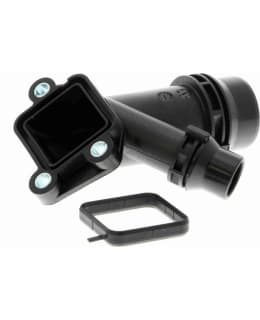
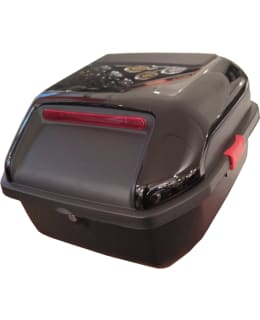
Vaico V20-1364 Laippaliitin jäähd
🔤 Text Similarity
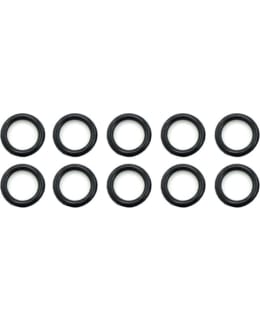
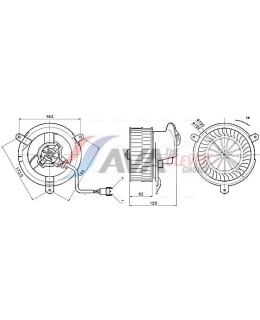
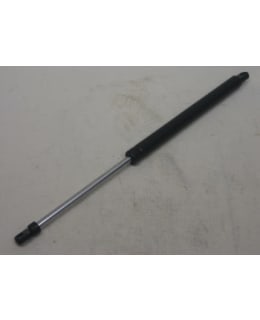
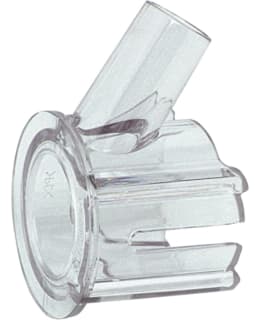
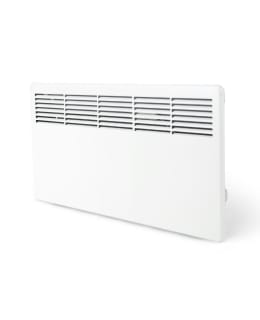
🕸️ Graph Products

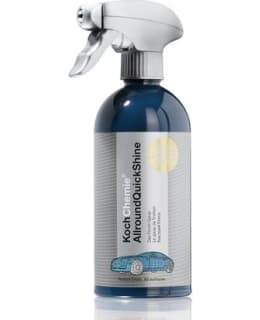
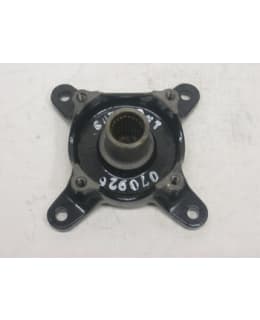
📂 Graph Categories
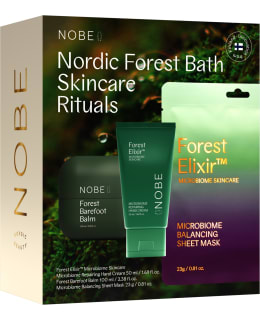
NOBE Nordic Beauty Forest Bath Skincare Rituals -lahjapakkaus
🔤 Text Similarity
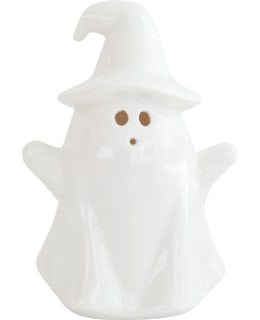
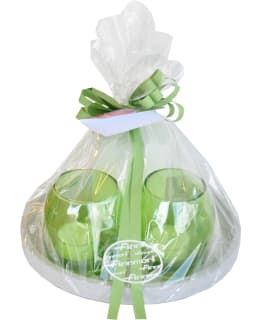
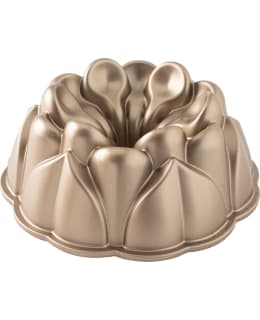
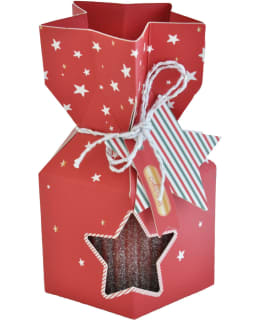
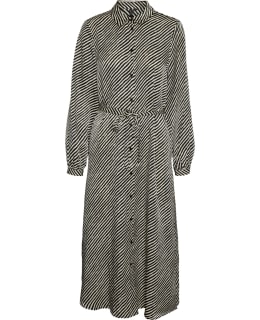
🕸️ Graph Products
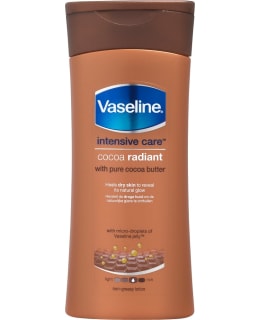
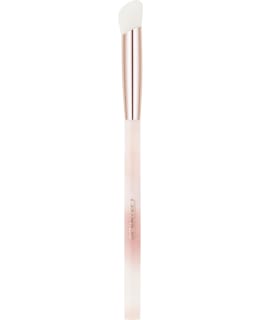
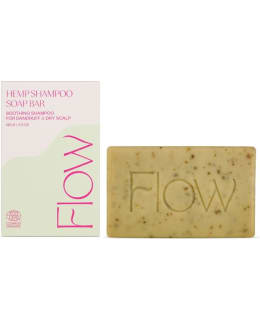

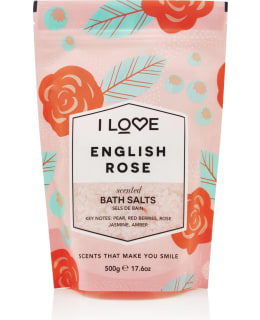
📂 Graph Categories
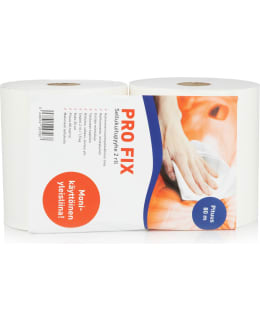
Pro Fix 2rll 1,5kg sellukuitupyyhe
🔤 Text Similarity
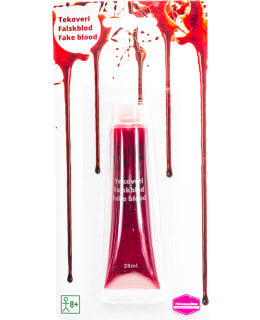
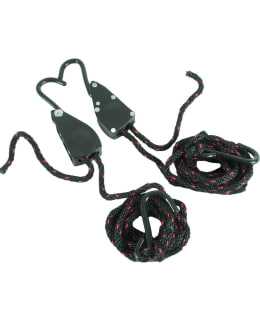
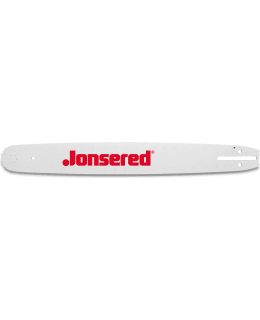
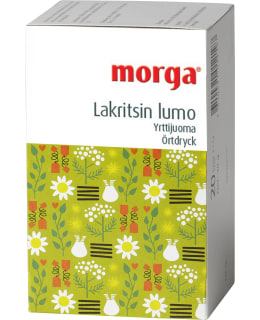
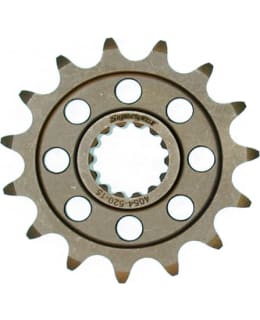
🕸️ Graph Products
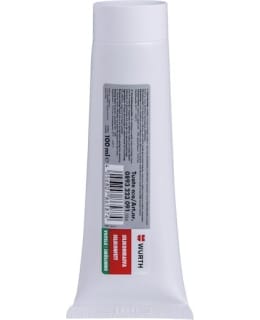
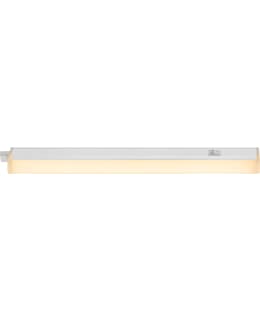
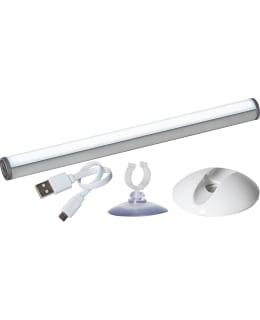
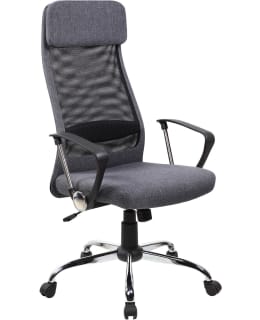
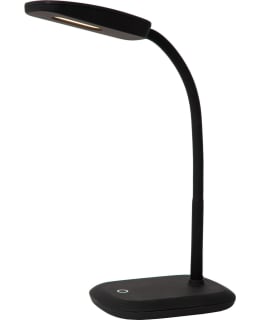
📂 Graph Categories
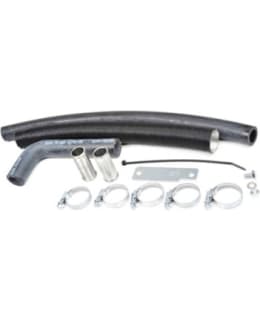
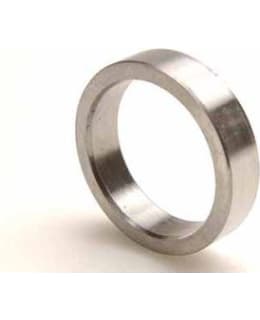
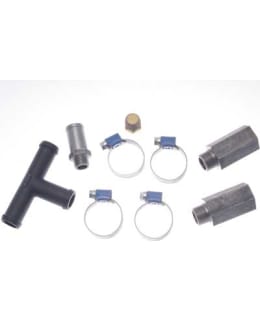
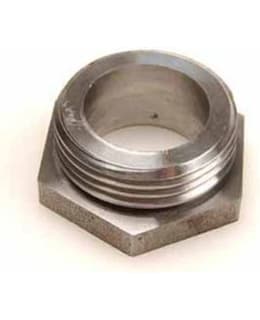
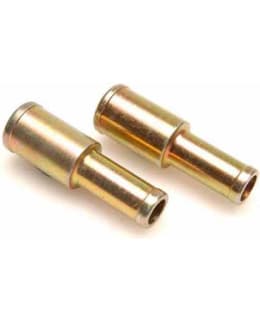
Defa 460535 asennussarja
🔤 Text Similarity

🕸️ Graph Products
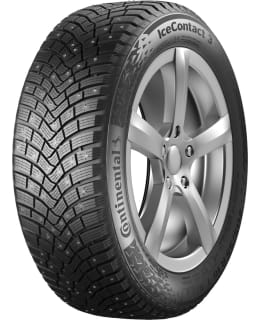
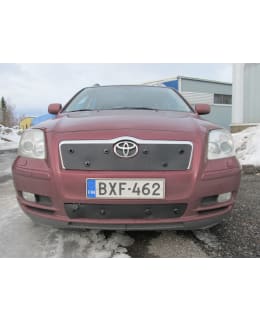
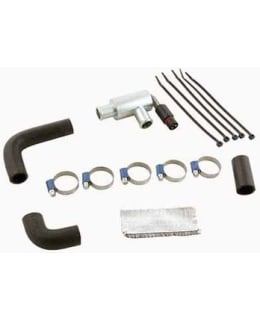
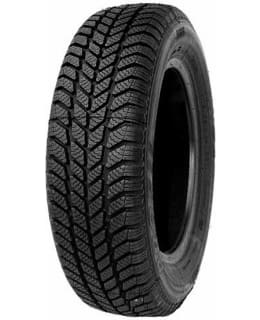
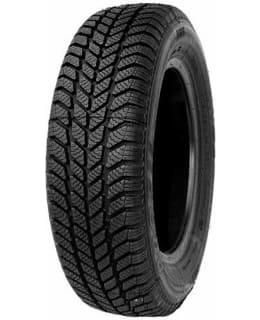
📂 Graph Categories
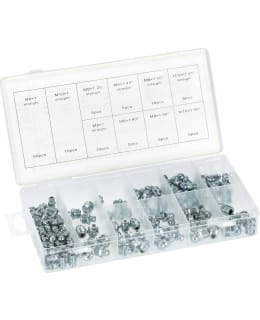
Arctic Auto 110 kpl rasvanippalajitelma
🔤 Text Similarity
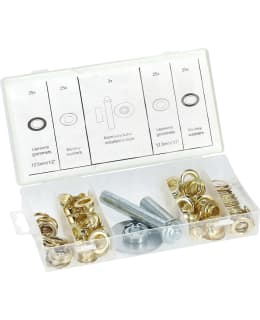
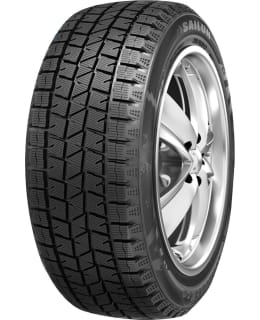
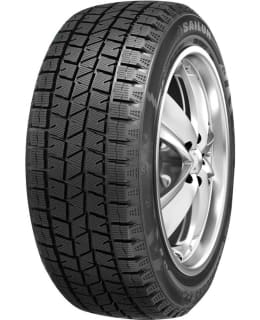
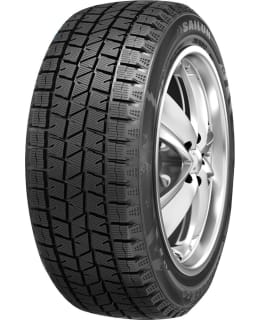
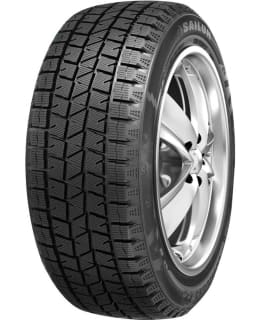
🕸️ Graph Products

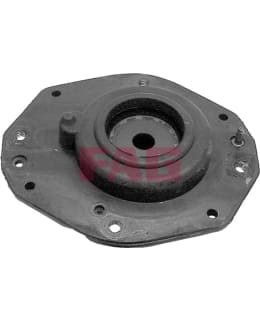
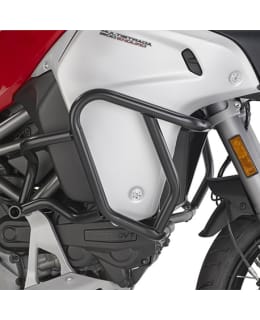
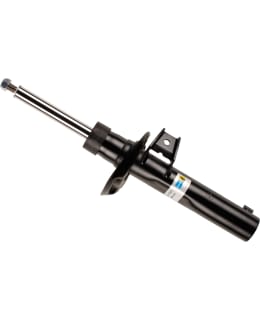

📂 Graph Categories
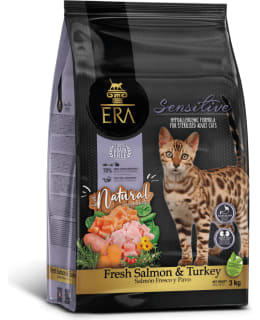
ERA Fresh Salmon & Turkey viljaton kissan kuivaruoka
🔤 Text Similarity
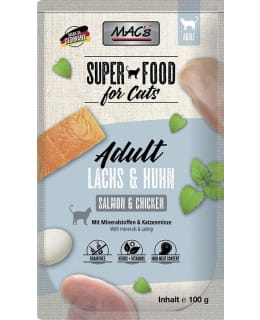
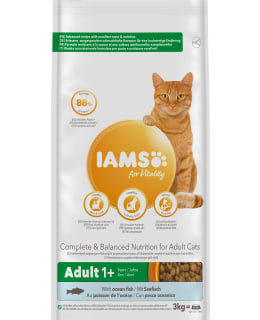
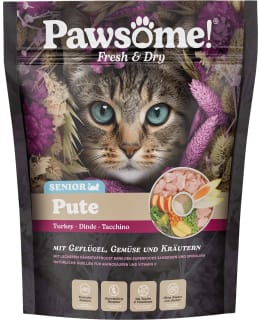
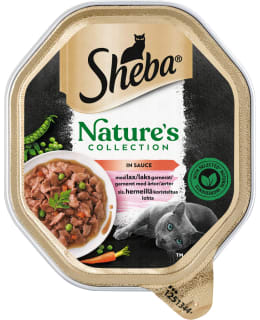
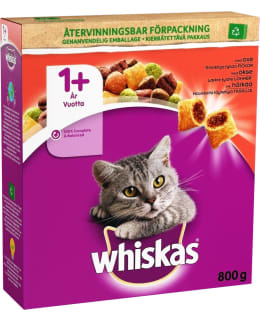
🕸️ Graph Products
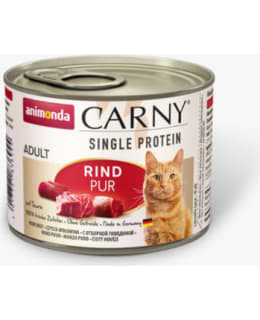
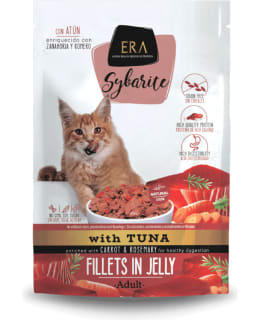
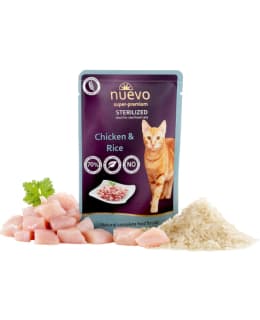
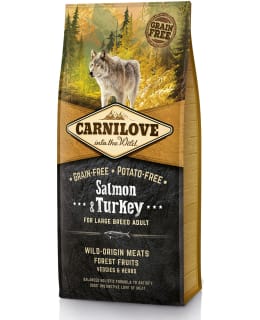
📂 Graph Categories
🎯 Key Insights
Only 4% overlap between textual semantic similarity and graph-based product recommendations (comparing top 20 recommendations) - meaning 96% of graph recommendations are unique. Textual semantic similarity excels at finding same-category alternatives, while graph-based methods discover cross-category connections (e.g., brake pads → winter tire chains). Category recommendations enable exploration of entirely new shopping themes customers might not have considered.